
Buying your first golf cart feels like a simple upgrade at first. It starts as a way to get around the neighborhood, cruise the campground, or make travel easier around a property. But once you start using it daily, small decisions you made early on can have a big impact on comfort, performance, and long-term cost.
At Ace Golf Cart Covers, we see the same patterns repeat with new owners. Most of the mistakes are not dramatic, but they slowly add up over time. The good news is that they are easy to avoid once you understand how each part of the system works together.

Skipping Proper Weather Protection From Day One
One of the first and most common mistakes is assuming a golf cart can handle the elements without protection. While carts are built for outdoor use, they are not immune to long-term exposure to sun, rain, wind, dust, and debris.
UV exposure is one of the biggest silent killers. Over time, it fades paint, dries out seat materials, and weakens plastic components. Rain and moisture can lead to corrosion in electrical connections and accelerate wear on exposed surfaces. Even dust and pollen build up inside the dash and seating areas, creating constant cleaning and maintenance needs.
This is where full protection becomes essential. A properly fitted enclosure or high-quality cover is not just for storage or storm protection. It is a daily defense system. Track-style and full-zip enclosures allow owners to keep their carts protected while still using them comfortably in changing weather conditions.
Instead of reacting to damage later, protection should be part of the setup from day one. It is one of the simplest ways to extend the life and appearance of the cart.
Choosing Batteries Based Only on Upfront Cost
Another major mistake new owners make is choosing a battery system based purely on purchase price. Traditional lead-acid batteries are often the default option because they are cheaper initially, but they come with long-term tradeoffs that many owners do not expect.
Lead-acid systems require regular maintenance, including water level checks and cleaning. Performance also declines over time, meaning range and power slowly decrease as the batteries age. They are also significantly heavier, which affects handling and efficiency.
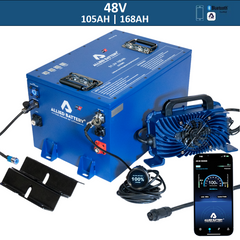
Lithium batteries change the experience entirely. They provide consistent voltage throughout the entire charge cycle, which means the cart performs the same at 80 percent charge as it does at 30 percent. They also charge faster, last significantly longer, and require virtually no maintenance.
Another overlooked advantage is weight reduction. A lithium system can dramatically reduce overall cart weight, improving acceleration, braking response, and ride feel. For owners who use their cart frequently, the difference becomes noticeable very quickly.
Choosing lithium early prevents the frustration of dealing with declining performance and repeated battery replacements. It is a long-term upgrade that improves both reliability and enjoyment.
Not Understanding True Battery State of Charge
Many first-time owners rely on basic voltage indicators to estimate battery life. While these gauges are common, they can be misleading, especially under load or as batteries age.
Voltage does not always reflect actual usable energy. A cart may show a “healthy” reading but still drop significantly during acceleration or uphill driving. This leads to unexpected range anxiety and inconsistent performance.
A proper state-of-charge (SOC) meter solves this problem by measuring actual energy remaining instead of relying on voltage alone. It provides a real-time, accurate view of battery capacity, helping owners plan their rides more confidently.
With an SOC meter, there is no guessing. You know exactly when to recharge, which helps extend battery life and avoid deep discharges that can shorten system lifespan.
Ignoring Modern Power Control Features
Power control is another area where new owners often stick with outdated systems without realizing what they are missing.
Traditional key switches work, but they are not always convenient in everyday use. They can wear over time, require physical access, and offer limited control options. Modern carts now offer upgraded solutions like remote power buttons and integrated electronic switches that improve both usability and reliability.
Remote power control adds a layer of convenience that becomes more valuable the more you use your cart. It allows for quicker startup, easier shutdown, and smoother daily operation. It also reduces wear on mechanical components since fewer physical key turns are required.
While it may seem like a small upgrade, it contributes to a more modern, user-friendly experience overall.
Overlooking How All Systems Work Together
One of the biggest hidden mistakes is treating upgrades as separate, unrelated decisions. In reality, a golf cart performs best when protection, power, monitoring, and control systems are all aligned.
For example, installing a lithium battery system improves performance, but without proper monitoring, owners may still run into unexpected range issues. Adding a state-of-charge meter solves that visibility gap. Similarly, upgrading power systems while leaving the cart exposed to weather still leads to long-term wear and unnecessary repairs.
Even protection plays a role in electrical reliability. Moisture exposure can affect wiring, connectors, and electronic components over time. A properly enclosed cart reduces those risks while also keeping the interior cleaner and more comfortable.
When everything works together, the cart becomes more than just a vehicle. It becomes a reliable system designed for consistent daily use.
Thinking Short-Term Instead of Long-Term
Many first-time buyers focus on immediate cost rather than long-term ownership experience. This often leads to choices that seem practical at first but require upgrades later.
A better approach is to think about how the cart will be used over the next several years. Will it be driven daily? Will it be exposed to weather regularly? Will multiple people be using it?
Answering those questions early helps guide better decisions around battery type, protection level, and system upgrades. In most cases, investing in better components upfront reduces total cost over time and significantly improves usability.
A well-planned cart setup requires fewer repairs, fewer replacements, and less frustration overall.
Building a Smarter First Setup

First-time golf cart ownership should feel simple, not overwhelming. The key is understanding which decisions have long-term impact and addressing them early.
Protecting the cart with a quality enclosure or cover, choosing lithium batteries instead of lead-acid, installing a proper state-of-charge meter, and upgrading to modern power controls all work together to create a more reliable experience.
When these systems are chosen intentionally rather than one at a time, the result is a cart that performs better, lasts longer, and feels more refined every time it is used.
For new owners, the goal is not just to own a golf cart. It is to build one that stays dependable, comfortable, and enjoyable for years to come.