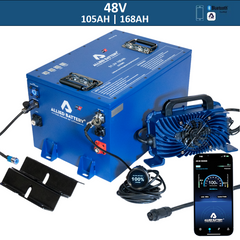

Lithium batteries have changed what golf cart ownership looks like. They offer consistent performance, quicker charging, and less day-to-day maintenance compared to older battery technologies. That said, even the most advanced lithium battery performs best when it is used and cared for correctly.
At Ace Golf Cart Covers, we carry lithium battery solutions because they simplify ownership, not complicate it. Along with selling these batteries, we believe it is just as important to help customers understand how to get the most out of them from day one.
This guide breaks down the charging, storage, and care practices Ace recommends to help protect your investment and keep your golf cart running reliably over time.
Starting Strong with the First Charge
One of the most important steps in lithium battery ownership happens before the first ride. Lithium batteries are typically shipped with a partial charge, which is normal and intentional. However, that does not mean they are ready for immediate use.
Ace recommends completing a full charge before operating your golf cart for the first time. This initial charge allows the battery management system to properly calibrate and balance the internal cells.
During charging, the charger indicator lights provide a clear visual cue. A red light with the fan running indicates charging is in progress. When the light turns green and the fan shuts off, the charge cycle is complete.
After this first full charge, it is beneficial to operate the cart until the battery reaches approximately half charge. This step only needs to be done once and helps condition the battery early in its life.
Daily Charging Habits That Protect Battery Health
One of the most common questions we hear is how often a lithium battery should be charged. The answer is simple. Daily charging is recommended.
Unlike older battery types, lithium batteries do not suffer from memory issues. Plugging in after each day of use helps keep the internal cells balanced and ready for the next outing.
Even if the cart was only used briefly, returning it to a full charge is a smart habit. This ensures consistent performance and avoids unnecessary stress on the battery.
At Ace, we encourage customers to think of charging as part of the daily routine, much like parking the cart or turning off the key.

Powering Off After Use
Modern golf carts can have small electrical draws even when not in use. Over time, these parasitic loads can slowly reduce battery charge if the system is left powered on.
To prevent this, Ace recommends powering off the battery after each use. Many lithium batteries include an onboard power button or an optional remote power switch that makes this easy.
If powering off is forgotten, most modern lithium batteries include an automatic sleep feature that shuts the system down after a period of inactivity. This built-in protection helps preserve charge and protect the battery during downtime.
Still, manually powering off whenever possible remains the best practice.
Understanding Sleep Mode and Why It Matters
Sleep Mode is one of the most valuable features found in modern lithium batteries. It acts as a safeguard when the cart is not being used.
When a battery remains inactive for an extended period and internal conditions remain healthy, Sleep Mode automatically powers the system down. This prevents over-discharge and protects long-term battery health.
For customers who use their carts seasonally or store them for stretches of time, this feature provides peace of mind. Even if the cart sits longer than expected, the battery is protected from unnecessary drain.
Sleep Mode is not a replacement for proper storage practices, but it is an important safety net.
The Convenience of Remote Power Access
Some lithium battery systems include a remote power button that can be mounted in an easy-to-reach location on the cart. This allows owners to turn the battery on or off without accessing the battery compartment.
This convenience becomes especially noticeable over time. There is no need to lift seats or panels just to manage power. A simple press and hold of the button controls the system.
When the charger is connected, the power button typically remains illuminated regardless of whether the battery is on or off. This helps confirm that the charging system is functioning as expected.
At Ace, we see this feature as more than a convenience. It encourages better habits by making it easier to power the battery down after use.
Monitoring Battery Health with Smart Technology
Many lithium batteries sold through Ace Golf Cart Covers include Bluetooth connectivity and a companion mobile app. This technology gives owners real-time insight into how their battery is performing.
Using the app, owners can view state of charge, internal temperature, voltage, and amperage. This information removes guesswork and allows potential issues to be identified early.
Rather than relying on assumptions, owners can make informed decisions based on real data. This is especially useful for those managing multiple carts or using their cart in demanding environments.
For everyday users, the app simply provides reassurance that everything is operating as it should.
Best Practices for Battery Storage
If a golf cart will not be used for more than a week, proper storage steps help protect the battery during downtime.
Ace recommends starting by fully charging the battery until the charger indicates completion. Once charged, the system should be powered off using the onboard or remote power switch.
The key should also be turned off to ensure there are no active electrical draws.
During storage, it is important to periodically check the battery’s state of charge. Lithium batteries should not be allowed to drop below twenty percent, as deep discharge can cause long-term damage.
Maintaining a healthy charge level during storage ensures the battery is ready when the cart returns to use.

Using State of Charge Displays Effectively
Many lithium battery systems include a state of charge display connected directly to the battery. This provides a quick visual reference of remaining capacity.
It is normal for these displays to read slightly more conservatively as the battery drains. This intentional design helps prevent over-discharge by encouraging earlier recharging.
Keeping the displayed charge above twenty percent at all times supports long-term reliability and helps avoid avoidable issues.
Ace’s Role in Supporting Battery Ownership
At Ace Golf Cart Covers, our goal is not just to sell products. It is to help customers feel confident using them.
By carrying lithium batteries with smart protection features and pairing them with clear usage guidance, we help owners avoid common mistakes and enjoy consistent performance.
Whether powering a single cart or managing multiple vehicles, following these best practices ensures that lithium batteries deliver the reliability they are designed for.
Simple Habits That Make a Big Difference
Charging daily, powering off after use, monitoring charge levels, and storing the battery properly are simple habits. Over time, they make a significant impact on performance and longevity.
Lithium batteries are built to make ownership easier. With the right care, they do exactly that.
If you have questions about lithium battery options or proper care, Ace Golf Cart Covers is here to help you choose solutions that fit your cart and your lifestyle.